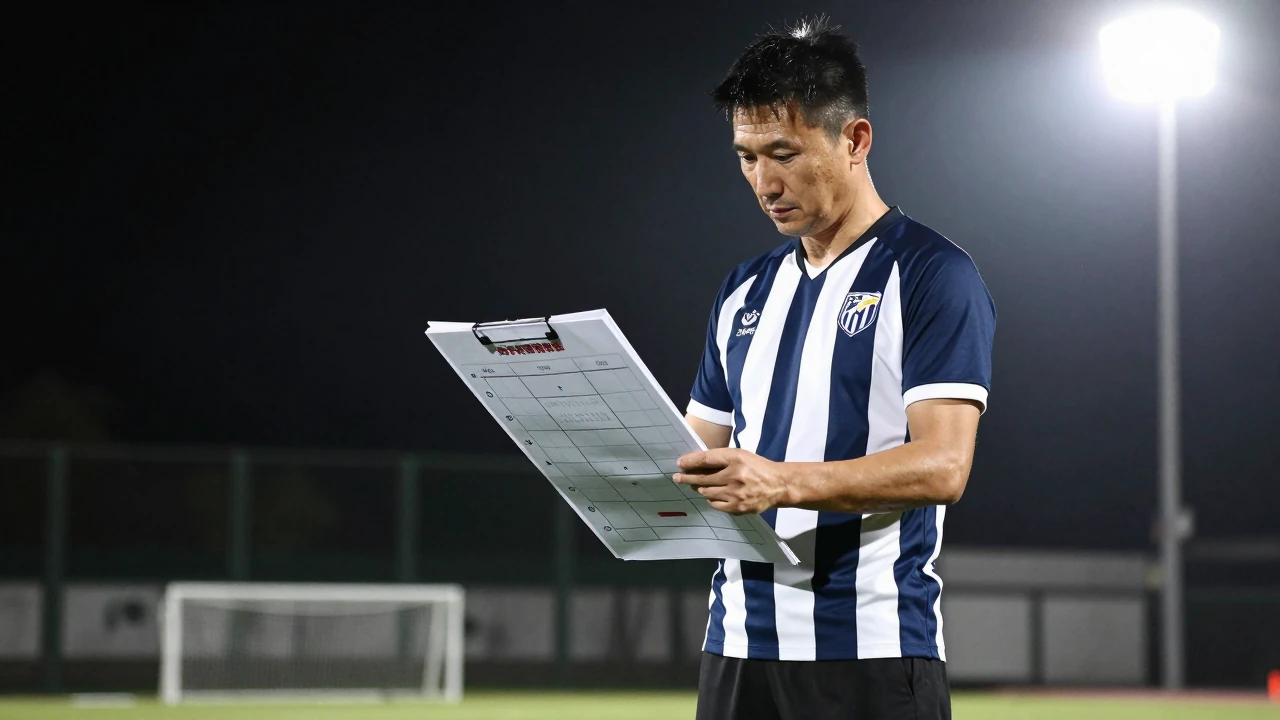

Overview of Recent Form
Wrexham A.F.C. Has demonstrated moments of brilliance in their recent matches, but inconsistencies have hindered their progress. While the attacking prowess is evident, the team has struggled with defensive solidity and maintaining shape, especially when transitioning between attack and defence. A tactical analysis reveals potential areas for adjustment that could enhance overall performance.
Current Formation and Style
Currently, Wrexham has favoured a 4-2-3-1 formation, which allows for an attacking midfield presence and width from the flanks. This setup has enabled the likes of Paul Mullin and Ollie Palmer to thrive in front of goal. However, the reliance on the attacking midfield trio often leaves the backline exposed, particularly during counter-attacks. The wing-backs, while providing width, sometimes push too high, which can lead to vulnerabilities in defensive transitions.
Suggested Tweaks
1. Solidifying the Midfield: One potential adjustment could involve switching to a more robust 4-3-3 formation. By introducing an additional central midfielder, Wrexham can better control the midfield battle, making it harder for opponents to penetrate through the middle. This extra body could help in breaking up opposition play and provide a more stable platform from which to launch attacks.
2. Adjusting Wing-Backs' Roles: Another tweak could be to instruct the wing-backs to remain deeper during certain phases of play. This would reduce the risk of being caught out of position during transitions, allowing for a more compact defensive shape. The added defensive security would also enable the central defenders to operate with more confidence, knowing they have cover from the wing-backs.
3. Utilising Substitutions More Strategically: Wrexham has a wealth of attacking options on the bench. Strategically managing substitutions to introduce fresh legs in the second half could exploit tired defenders. This is particularly effective against teams that sit deep, as fresh attackers can create a dynamic shift in play and open up the defence.
Emphasising Set Pieces
Another area for improvement lies in set pieces. Wrexham has the height and physicality to cause problems during corners and free-kicks but has not capitalised on these opportunities as effectively as they could. A focused training regime on set-piece routines could yield dividends, providing Wrexham with additional avenues to score.
Conclusion
Wrexham A.F.C. Possesses the talent and potential to compete at a higher level, but tactical adjustments are essential to unlock that potential. By solidifying the midfield, adjusting the roles of the wing-backs, and utilising the squad depth effectively, the Red Dragons can improve their chances of achieving consistent results. As the season progresses, fine-tuning these tactical elements could very well be the key to a successful campaign.